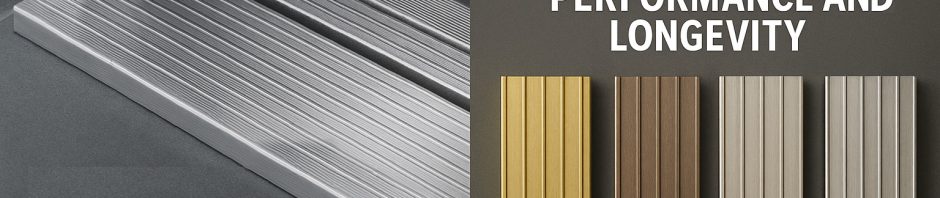
Why Brass, Bronze, Nickel Silver, and Stainless Steel Remain the Gold Standard for Elevator Sills
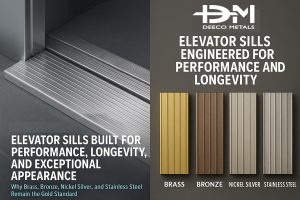
In vertical transportation, the elevator entrance is one of the most heavily abused architectural components in any building. Every footstep, rolling cart, dolly, suitcase, or piece of equipment transfers force directly onto the sill. A high-quality sill must withstand abrasion, moisture, debris, impact, and continuous traffic while maintaining its integrity, avoiding deformation, failure, or loss of appearance. This is where material science becomes mission-critical.
Brass, bronze, nickel silver, and stainless steel have proven to be the most reliable materials for high-quality elevator sills. Their mechanical strength, corrosion resistance, and aesthetic versatility make them the preferred choice for commercial, institutional, and high-rise projects. Below is a closer look at why these alloys outperform alternatives and how they support long service life while maintaining a beautiful cosmetic appearance.
Material Performance That Supports Heavy Use
Each alloy offers engineered advantages that are crucial for the long-lasting performance of elevator sills.
Brass / Architectural Bronze
Brass and architectural bronze provide the ideal combination of:
• Excellent wear resistance
• High ductility
• Outstanding machinability for precise tolerances
• Easy fabrication of drilled or tapped holes and punched trash pockets
• Strong resistance to moisture and cleaning chemicals
Their warm, golden-yellow appearance makes them a favorite for premium architectural entrances in hotels, office buildings, transit hubs, government buildings, and residential towers. These alloys maintain beauty and dimensional stability even under heavy foot and cart traffic.
Nickel Silver
Nickel silver, a copper-nickel-zinc alloy, provides:
• Exceptional hardness and wear resistance
• A premium silvery gold hue that is warmer than stainless steel
• Superior tarnish and corrosion resistance
• Long-lasting aesthetic consistency
Nickel silver is chosen for high-end entrances where both performance and cosmetic presentation must meet luxury architectural standards.
Stainless Steel
Stainless steel provides:
• Maximum corrosion resistance
• High strength and deformation resistance
• Outstanding durability under rolling loads
• Clean, modern architectural appearance
• Minimal maintenance requirements
It is ideal for high-traffic or harsh environments such as warehouses, schools, hospitals, manufacturing facilities, and public buildings.
Engineered for Safety and Structural Reliability
An elevator sill is far more than a decorative trim component. It plays a critical engineering role:
• Guiding and stabilizing elevator door systems
• Maintaining the landing-to-car interface
• Protecting thresholds from wear and loading forces
• Preserving precise alignment for smooth and safe operation
High-performance alloys ensure that sills remain dimensionally stable, structurally reliable, and visually consistent for decades.
Finish Options That Extend Lifespan
Surface finishing is crucial for both durability and aesthetic appeal. DEECO’s precision finishing processes, including sanding, brushing, buffing, or polishing, help:
• Minimize stain visibility
• Enhance architectural aesthetic appeal
• Improve corrosion resistance
• Reduce the appearance of abrasion and scratches
• Maintain a clean, professional look over a long service life
When paired with premium elevator interiors, these finishes elevate the overall entrance system.
Sustainable Materials for Modern Construction
Copper-based alloys and stainless steel are among the most recyclable and sustainable metals used in architecture. Their long lifecycle, stable performance, and recyclability support modern requirements for:
• Green building programs
• Reduced environmental impact
• Long-term material efficiency
• Minimizing component replacement
Why Material Quality Matters
Elevator sill loads are predictable, but failures caused by poor material selection are not. Choosing the correct engineered alloy is critical. Brass, bronze, nickel silver, and stainless steel deliver:
• Long-term dimensional stability
• Superior wear resistance
• High corrosion resistance
• Excellent cosmetic longevity
• Reliable safety and performance in all traffic conditions
These alloys ensure that elevators operate smoothly, safely, and beautifully for their entire lifetime.
Elevating Performance with DEECO Metals Elevator Sills
DEECO Metals supplies custom extruded brass, bronze, nickel silver, and stainless-steel elevator sills engineered for precision and longevity. Every profile is manufactured with:
• Tight dimensional tolerances
• Controlled alloy chemistry
• Architectural-grade surface finishes
• Reliable performance under heavy use
Whether your project requires a standard profile or a fully custom extruded design, DEECO delivers materials that optimize beauty, durability, precision, and long-term reliability.
These engineered alloys tell a consistent story: they perform, they endure, and they elevate the entire entrance system both structurally and cosmetically.